The Great Learning
Cornelius Cardew’s The Great Learning, developed between 1968 and 1971, establishes a relation between written instruction, individual interpretation and collective action. In Paragraph 5, textual sentences become prompts for physical gestures and movements. The score provides a common structure whose realisation remains contingent upon the decisions of its performers. Repetition renews the interval between what is prescribed and what occurs.
My involvement with the work spans participation in a collective performance at Ferens Art Gallery, Hull, in 1986 and a return to the score with MA Performance students at Manchester Metropolitan University in 2022. The Hull performance developed through Catherine Morley, whose involvement in Cardew’s Scratch Orchestra brought a lived connection with collective, score-based practice into our encounters with the score.
Across these occasions, my position shifted from interpreting the instructions to establishing conditions in which others could interpret them. The continuity resides in a procedure made available for renewed use: a text passes between people, places and generations, acquiring different articulations while retaining its capacity to initiate action.
1986 — Ferens Art Gallery, Hull
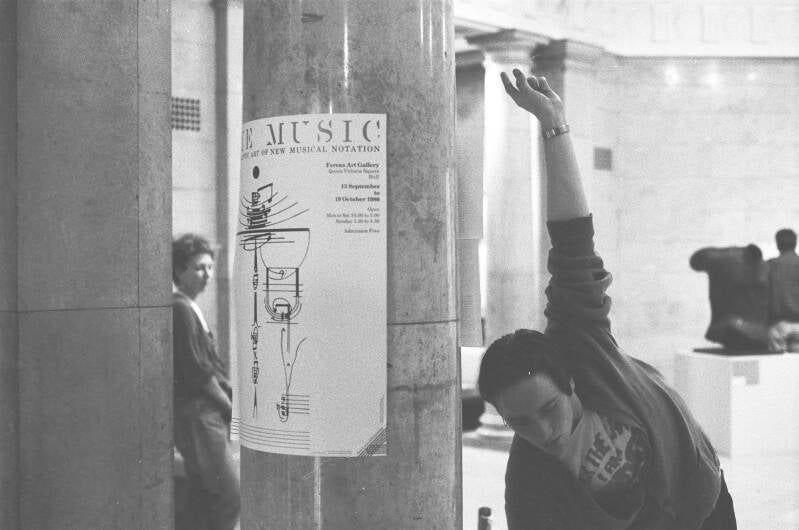
Cornelius Cardew, The Great Learning, extracts from Paragraph 5. Collective performance as part of Eye Music, Ferens Art Gallery, Hull, 1986. Photograph: Simon Drury.
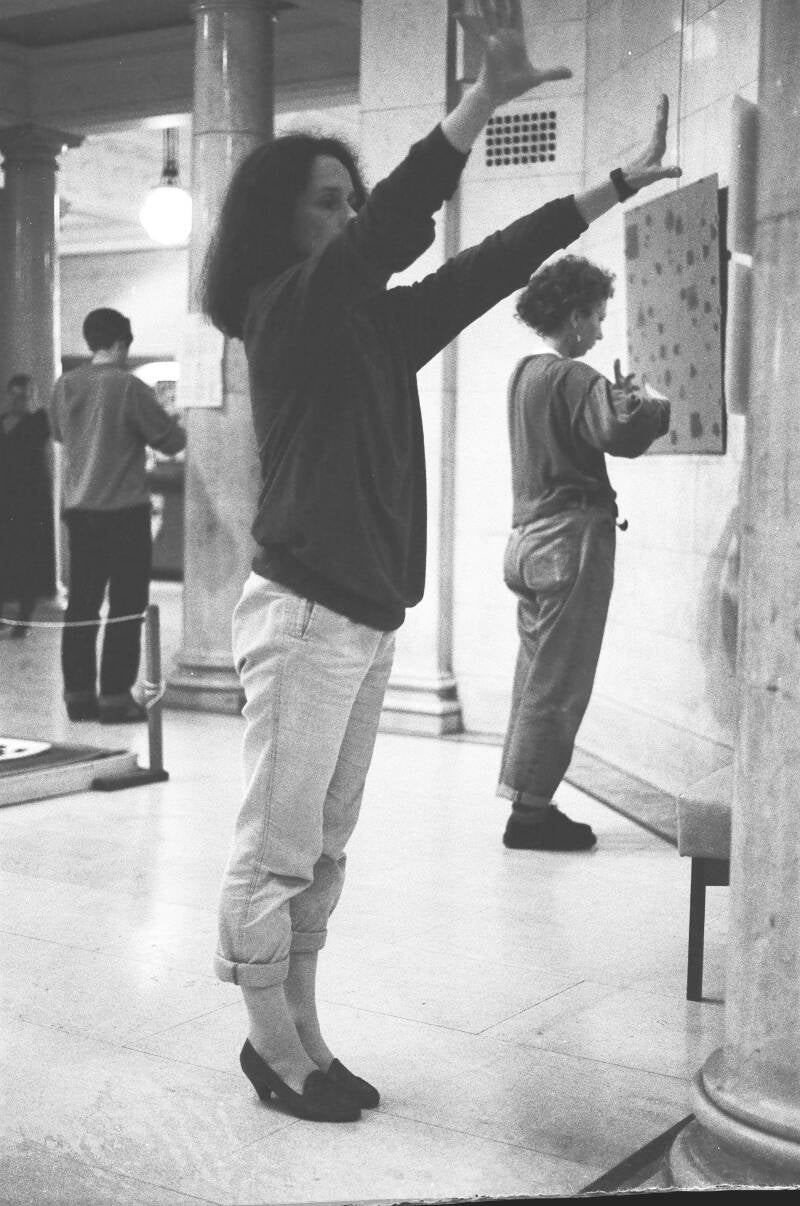
Cornelius Cardew, The Great Learning, extracts from Paragraph 5. Collective performance as part of Eye Music, Ferens Art Gallery, Hull, 1986. Photograph: Simon Drury.
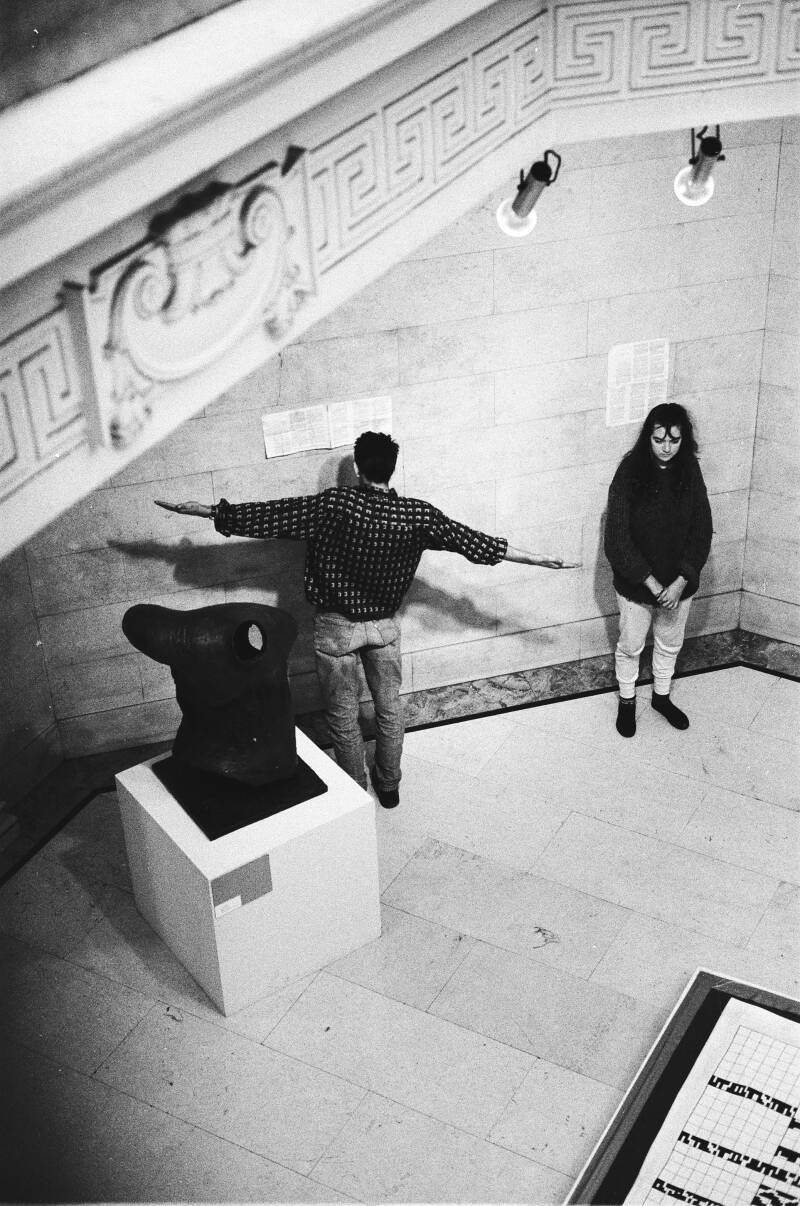
Cornelius Cardew, The Great Learning, extracts from Paragraph 5. Collective performance as part of Eye Music, Ferens Art Gallery, Hull, 1986. Photograph: Simon Drury.
At Ferens, the performance unfolded within Eye Music, an exhibition concerned with the graphic art of musical notation. We distributed ourselves around the gallery, fixing the instructions to the walls. Each performer interpreted a sentence, then waited for another to become available. The circulation of texts established a cycle in which recurring instructions acquired different physical articulations.
Catherine Morley’s approach kept interpretation open within each realisation. Attention moved between reading, acting and waiting; the collective work emerged through the differing durations and decisions of its participants. The score organised these relations while leaving their precise conjunction unsettled.
2022 — Manchester, MA Performance.
In 2022, I returned to Paragraph 5 with MA Performance students at Manchester Metropolitan University. Conducted as a workshop during their induction, the session placed the score within a different constellation of expectations about preparation, interpretation and performance.
Our subsequent discussion brought those expectations into focus. Some participants wanted to rehearse towards a settled rendition; others welcomed the requirement to make decisions as the action unfolded. The score became a means of attending to that tension: how much could be determined beforehand, and what remained to be discovered through its enactment?
Returning to the work involved carrying forward an approach Catherine Morley had shared with us thirty-six years earlier.
What persisted was an invitation to attend, interpret and act, renewed through the particular decisions of another group.
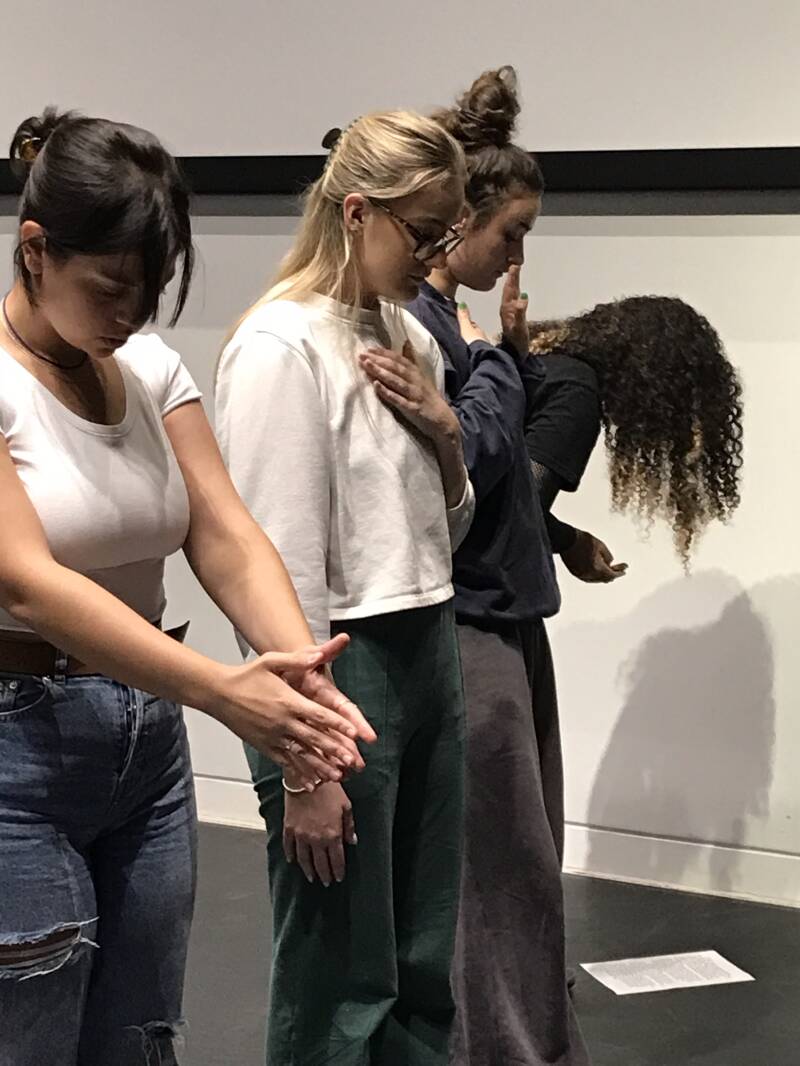
Cornelius Cardew, The Great Learning, extracts from Paragraph 5. Collective performance as part of Eye Music, Ferens Art Gallery, Hull, 1986. Photograph: Kevin Egan.
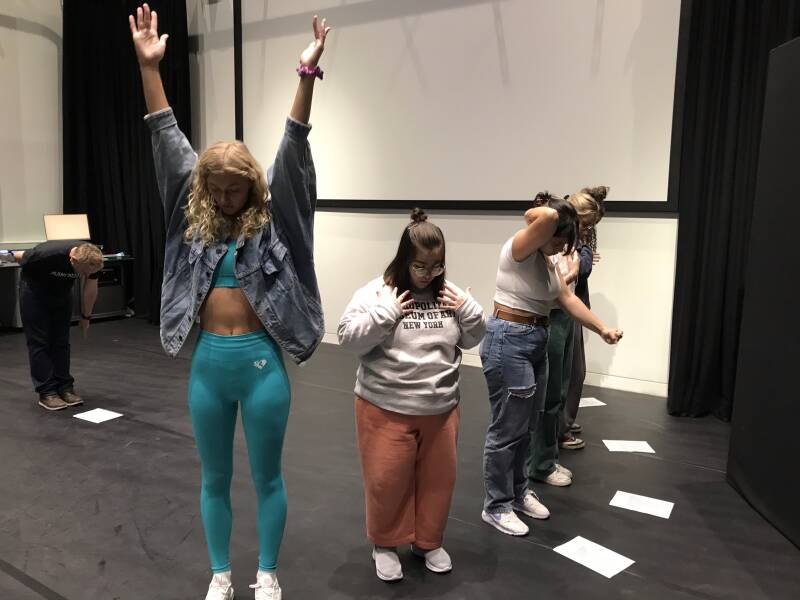
Cornelius Cardew, The Great Learning, extracts from Paragraph 5. Collective performance as part of Eye Music, Ferens Art Gallery, Hull, 1986. Photograph: Kevin Egan
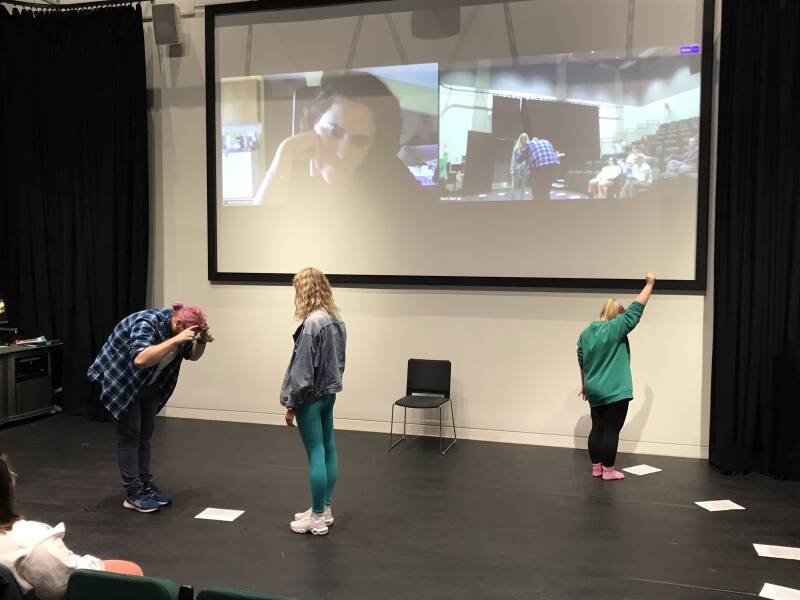
Cornelius Cardew, The Great Learning, extracts from Paragraph 5. Collective performance as part of Eye Music, Ferens Art Gallery, Hull, 1986. Photograph: Kevin Egan.
Create Your Own Website With Webador